The Record: the papers a sale leaves behind
An inspection report, a seller's disclosure and a final walkthrough each capture a different slice of the same house. Here is what each one records, what to look for in it, and what it leaves open.
Three documents that describe one house differently
Anyone buying or selling a house ends up holding paper that describes the same building from three angles. The inspection report comes from a person the buyer hires to look at the structure, the systems and the surfaces on one day. The seller's disclosure comes from the person who has lived with the house, and it records what that person knows and chooses to put in writing. The final walkthrough is the buyer's last look before the keys change hands, and it checks whether the house in front of them matches what the other two described.
None of the three is complete on its own. Each was written for a different reader, at a different moment, with different information, so the useful question is what each one was in a position to see.
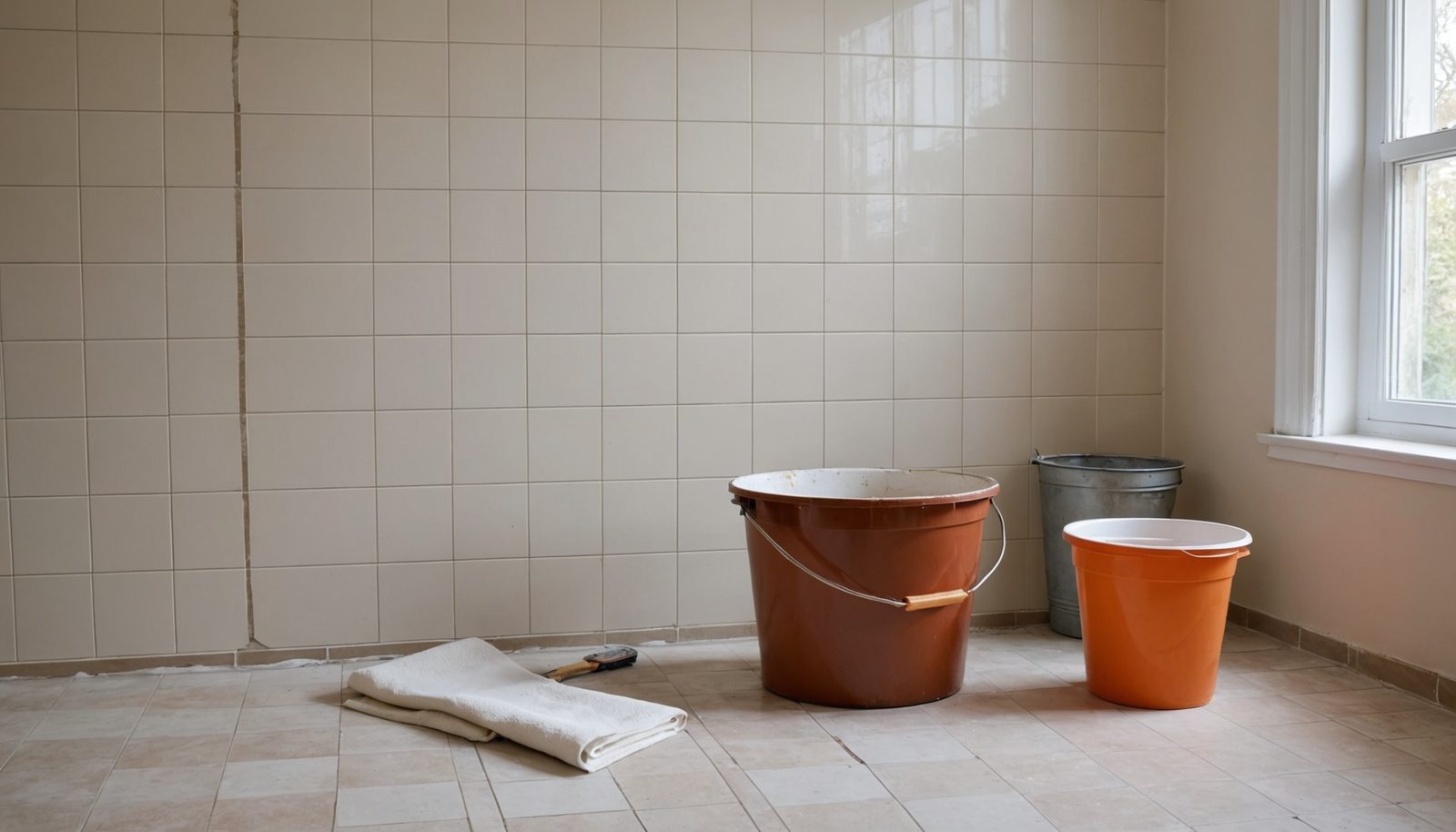
This is an AI-generated illustration, not a photograph of a real job. It makes a point the papers have to carry: work done before the walls close is what a final walkthrough cannot see, so only the records can say what was done.
Where the papers disagree, and what to check
A frequent snag is a gap between two documents rather than an error in one of them. A disclosure that is silent on a repair does not show that the repair was never needed, and an inspection report that does not mention a surface did not necessarily test it. When two papers point different ways, the question is which one had the information to answer it, and whether that question has been asked in writing before the sale closes.
Lead paint is the one place the paperwork carries a federal rule. Federal law requires anyone paid to do work that disturbs paint in housing built before 1978 to be EPA lead-safe certified, and the requirement reaches every firm, including a one-person painting business. For an older house, the record to ask for is the painter's certificate, not a promise that the old paint was handled with care. The EPA's Lead Renovation, Repair and Painting program sets out the rule.
The line between a small job and a regulated one is measured. Work that disturbs 6 square feet or less of painted surface per room inside, or 20 square feet or less outside, can fall outside the lead-safe rule, provided no prohibited practice is used and no window is replaced. Whole-house prep such as scraping or sanding will normally go past those limits, so a repaint on an older house is rarely the small case. The federal definition of minor repair in 40 CFR 745.83 is worth reading before a quote arrives.
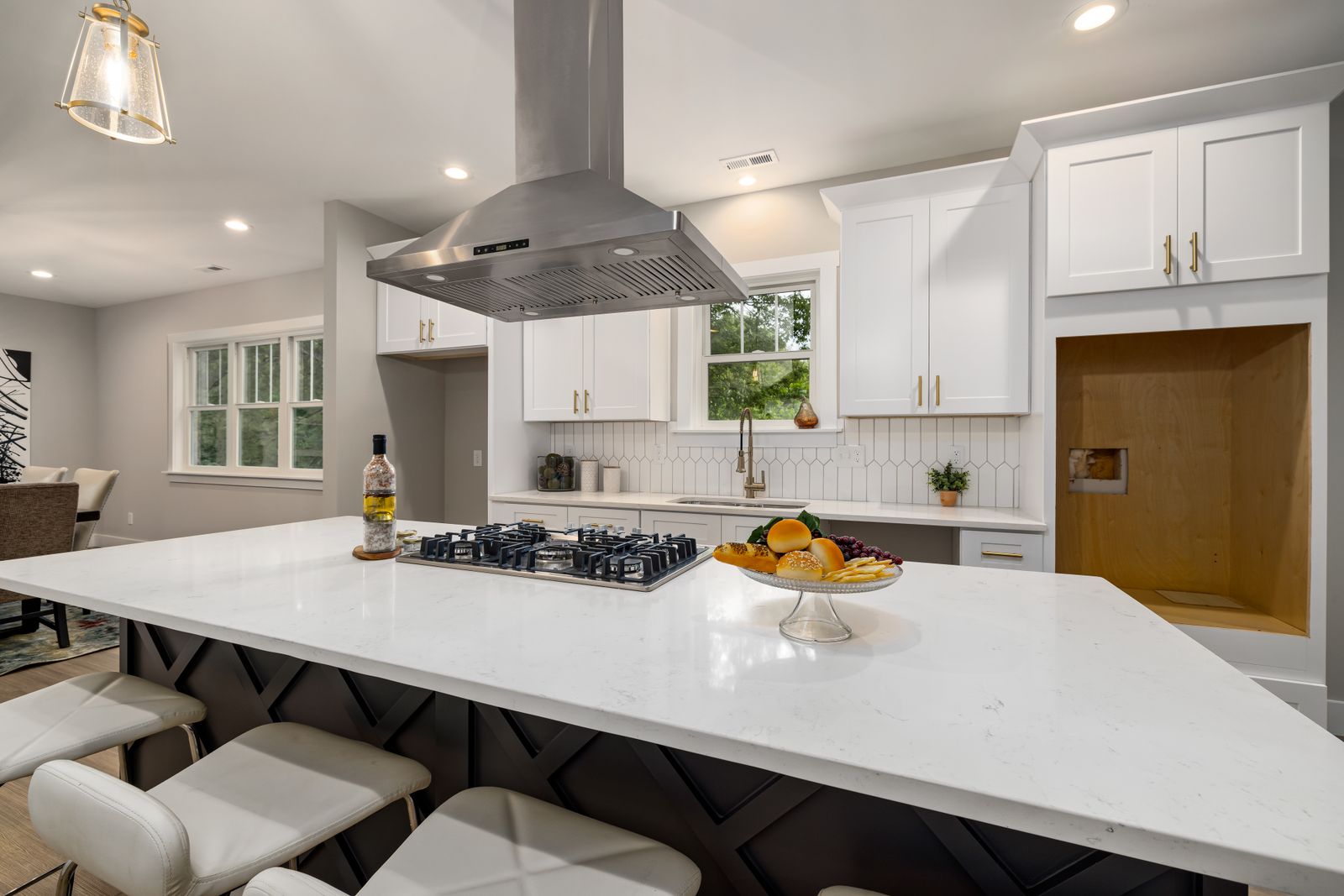
Read the open items against a list of jobs
Once the three papers are read side by side, the questions they leave open become a list. Ask the town whether a permit was pulled for any structural, electrical or plumbing work that appears in the file, because New Hampshire's state building code applies in every municipality, and local departments handle the permits and inspections.
Then take that list to the sorting helper on the Local Programs page, which sorts each job into fix, refresh or leave and prints its reasoning beside the result. It sorts jobs and does not value a house.
What the work in these papers looks like on site
A stock clip from Pexels showing interior painters at work in a house. It is not footage of a job the guide has seen and it shows no particular house. It is here so the reader can picture the work the papers describe.